Super Spin Licence, UKGC Status and Player Protections
 Available in GB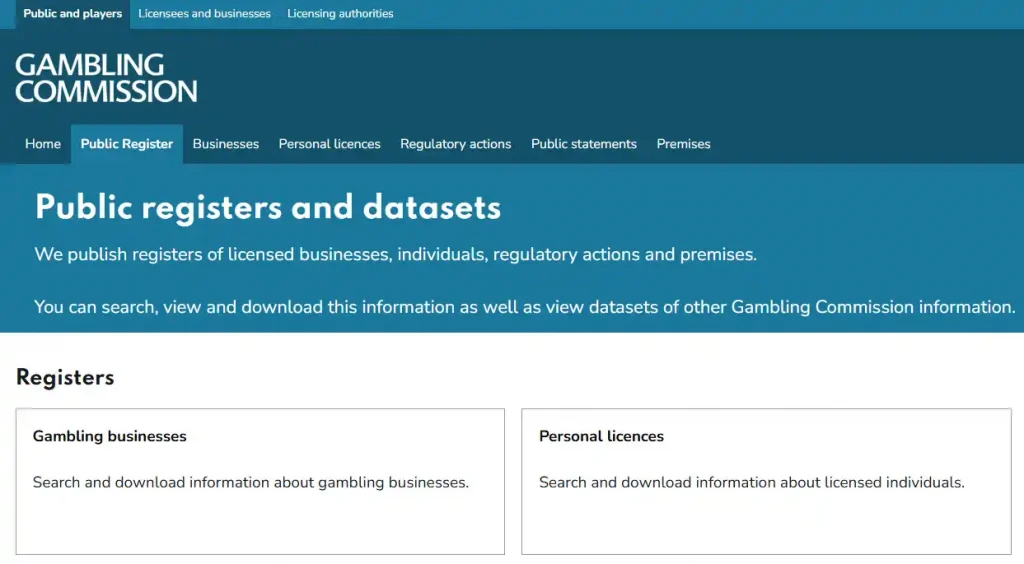
Licence status and UK protections
No UK Gambling Commission licence has been verified for Super Spin, super-spin.com or operator Comentive LTD in the UKGC public register. That matters specifically in Great Britain – England, Scotland and Wales – because the Gambling Commission states that remote casino operators providing gambling facilities to consumers there need a UKGC licence regardless of where the business is based.
Independent sources identify Comentive LTD with Anjouan licence ALSI-202505024-FI1, but that offshore credential is not a substitute for a UKGC licence or proof that UKGC consumer protections apply to Super Spin. Northern Ireland also has a separate gambling framework, so “UK licence” is too broad a shorthand for the regulatory position.
Table of Contents
- Super Spin licence status at a glance
- Why the UKGC register is the first trust test for Great Britain
- Great Britain and Northern Ireland need to be separated
- What the reported Anjouan licence does and does not establish
- GAMSTOP and UKGC safeguards are licensed-market protections
- Great Britain rules taking effect in 2025 and 2026
- Player protection should be checked by mechanism, not by badge
- A short verification checklist for a Great Britain reader
- What Super Spin's licence position means for readers in Great Britain
Super Spin licence status at a glance
| Question | Verified position | Reader implication |
|---|---|---|
| UKGC licence for Super Spin / Comentive LTD | No verified UKGC register entry found | Do not assume UKGC licence-holder protections attach to this brand. |
| Great Britain licensing rule | Remote operators serving GB consumers need a Gambling Commission licence | The rule applies regardless of where the operator is based. |
| Anjouan licence | Independent sources identify ALSI-202505024-FI1 for Comentive LTD | This is an offshore licence claim, not a UKGC licence. |
| GAMSTOP | Covers online gambling websites and apps licensed in Great Britain | Do not assume Super Spin is included without a verified GB licence. |
| Northern Ireland | Separate gambling framework | The Gambling Act 2005 / UKGC framework does not regulate NI gambling activity in the same way. |
Why the UKGC register is the first trust test for Great Britain
The Gambling Commission’s licensing guidance is direct: a business providing remote gambling facilities to consumers in Great Britain needs a Commission licence even when the business is based elsewhere. For an online casino review, this turns the public register into the decisive source for a claim such as “licensed by the UKGC”. Marketing language, an offshore licence or a review site’s jurisdiction label cannot replace a register hit.
The UKGC register does not provide a verified licence entry for Super Spin or Comentive LTD. That supports the narrow statement that no UKGC licence has been verified, rather than a blanket legal verdict about every individual user’s access or conduct.
Super Spin’s own published terms are also inconsistent for UK readers. Its general Terms do not name the United Kingdom in the restricted-country list visible there, while its Bonus Terms contain a broader general-information section stating that UK residents are not allowed to play for real money. That conflict is an availability issue, not evidence of a UKGC licence.
Primary regulatory sources: UKGC public register and remote casino operating licence guidance.
Great Britain and Northern Ireland need to be separated
Great Britain
Under the Gambling Act 2005 framework, the Gambling Commission regulates commercial gambling in England, Scotland and Wales. Remote casino businesses providing facilities to consumers in Great Britain fall within the Commission’s licensing perimeter.
Northern Ireland
The Commission states that it does not regulate gambling activity in Northern Ireland under the Gambling Act 2005. Northern Irish gambling has a separate framework under the Betting, Gaming, Lotteries and Amusements (Northern Ireland) Order 1985 as amended.
There are cross-border nuances. For example, the UKGC says a remote operator with key equipment in Great Britain that offers or advertises gambling in Northern Ireland may still need a Gambling Commission licence. But that does not turn Northern Ireland into part of the Commission’s normal Great Britain gambling jurisdiction. A useful review should therefore say “Great Britain” when describing UKGC consumer-market rules instead of treating the four UK nations as one identical licensing regime.
Official context: Gambling Commission – role and remit in Northern Ireland.
What the reported Anjouan licence does and does not establish
Two independent sources associate Comentive LTD with Anjouan licence number ALSI-202505024-FI1. Casino Guru displays that licence against Super Spin, while iGregulator’s operator record currently associates the same number with Comentive LTD and lists super-spin.com in the operator’s domain portfolio.
Independent sources identify an Anjouan licence for Comentive LTD, while a fresh primary Anjouan register record is not available here. The licence number or expiry date should therefore not be treated as primary-regulator-verified. That can describe the offshore licensing context, but it cannot be transformed into “UK licensed”, “UK compliant” or “covered by UKGC protections”.
Licence jurisdiction is not interchangeable
A licence answers a regulator-specific question. An Anjouan credential can be relevant to the operator’s offshore regulatory status, while the UKGC register answers whether a business is licensed within the Great Britain regime. One does not automatically satisfy the other.
Independent licence references: Casino Guru Super Spin review and iGregulator Comentive LTD record.
GAMSTOP and UKGC safeguards are licensed-market protections
GAMSTOP describes its service as blocking people from gambling websites and apps licensed in Great Britain. That wording is crucial here. It supports a statement about the scope of the scheme, but it does not support an assumption that every gambling site reachable by a UK user participates.
The same principle applies to other safeguards imposed on UKGC licensees. The Gambling Commission’s licensing objectives include keeping gambling fair and open and protecting children and vulnerable people. Remote licensees are also subject to specific technical, social-responsibility and customer-interaction requirements. Those are properties of the Great Britain licensed regime, not generic features that can be assigned to an offshore operator without evidence.
Because no UKGC licence has been verified for Super Spin or Comentive LTD, GAMSTOP participation, UKGC dispute channels and other UKGC licence-holder protections should not be assumed for the brand.
Scheme source: GAMSTOP – About.
Great Britain rules taking effect in 2025 and 2026
The Great Britain licensed market changed materially during 2025 and 2026. Online-slot stake limits were implemented during 2025, incentive changes took effect on 19 January 2026, and the gross deposit-limit requirements take effect on 30 September 2026.
| Rule for UKGC licensees | Effective date | Timing |
|---|---|---|
| Maximum online-slot stake of £2 per game cycle for ages 18-24 and £5 for age 25+ | Implemented during 2025 | Effective before 30 Sep 2026 |
| Bonus wagering requirements capped at 10x bonus funds | 19 Jan 2026 | Effective before 30 Sep 2026 |
| No mixing different gambling product types within a single incentive | 19 Jan 2026 | Effective before 30 Sep 2026 |
| Gross deposit limits must be offered and only that form may be called a “deposit limit” | 30 Sep 2026 | Effective from 30 Sep 2026 |
These dates describe requirements for businesses within the UKGC licensed regime. They should not be used to imply that Super Spin follows them. In fact, the current Super Spin Bonus Terms publish bonus mechanics that need to be assessed on their own terms, while bonus eligibility covers the separate UK eligibility conflict.
Financial vulnerability checks are another current licensed-market measure. The Commission says remote licensees have been subject to checks designed to identify severe current financial vulnerability using publicly available information. Again, that is context for what a UKGC licence entails, not evidence about an unverified licence holder.
Time-sensitive sources: deposit-limit implementation update and Gambling Commission guidance on incentives, online slot stake limits and financial vulnerability checks.
Player protection should be checked by mechanism, not by badge
A useful trust review asks what happens when something goes wrong. For a UKGC-licensed remote operator, a reader can verify the licence entry, identify the regulated entity, check licence status and conditions, and understand which Commission rules apply. The operator also has defined complaints and alternative-dispute-resolution obligations inside that framework.
For Super Spin, no UKGC licence is established by the available register information. Readers can instead check the operator’s own withdrawal conditions, consider complaint records separately and distinguish the offshore licence evidence from Great Britain licensing.
The complaints and reputation page treats individual cases as attributed records rather than regulatory findings. The withdrawals page sets out the operator’s published £40 minimum and £1,500 daily, £4,000 weekly and £12,000 monthly standard limits.
A short verification checklist for a Great Britain reader
- Search the UKGC register using the brand, legal operator and domain rather than relying on a logo or review-site badge.
- Match any offshore licence to the actual operator and domain, and distinguish third-party verification from a primary-regulator record.
- Treat GAMSTOP as a Great Britain licensed-market scheme, not a universal feature of all online casinos.
- Read bonus, withdrawal and account terms separately; a licence page cannot tell you the exact cashout limits or promotion eligibility.
- For time-sensitive UK rules, check the effective date. The gross deposit-limit changes take effect on 30 September 2026.
The Super Spin review combines these checks with games, payments and mobile access. Keeping those categories separate prevents one trust signal from being stretched into claims it does not prove.
What Super Spin’s licence position means for readers in Great Britain
For Great Britain, a UKGC licence is required for remote operators serving consumers there, and no UKGC licence has been verified for Super Spin or Comentive LTD. Independent sources identify an Anjouan licence for the operator, but that is a different jurisdiction and does not establish access to UKGC or GAMSTOP protections.
The most useful response is not to turn that gap into a sweeping “legal” or “illegal” verdict. It is to keep the regulatory layers clear: Great Britain has a defined UKGC licensing regime, Northern Ireland has a separate framework, Super Spin’s offshore licence evidence must be described on its own terms, and player-protection claims should be attached only to the regulator and scheme that actually support them.